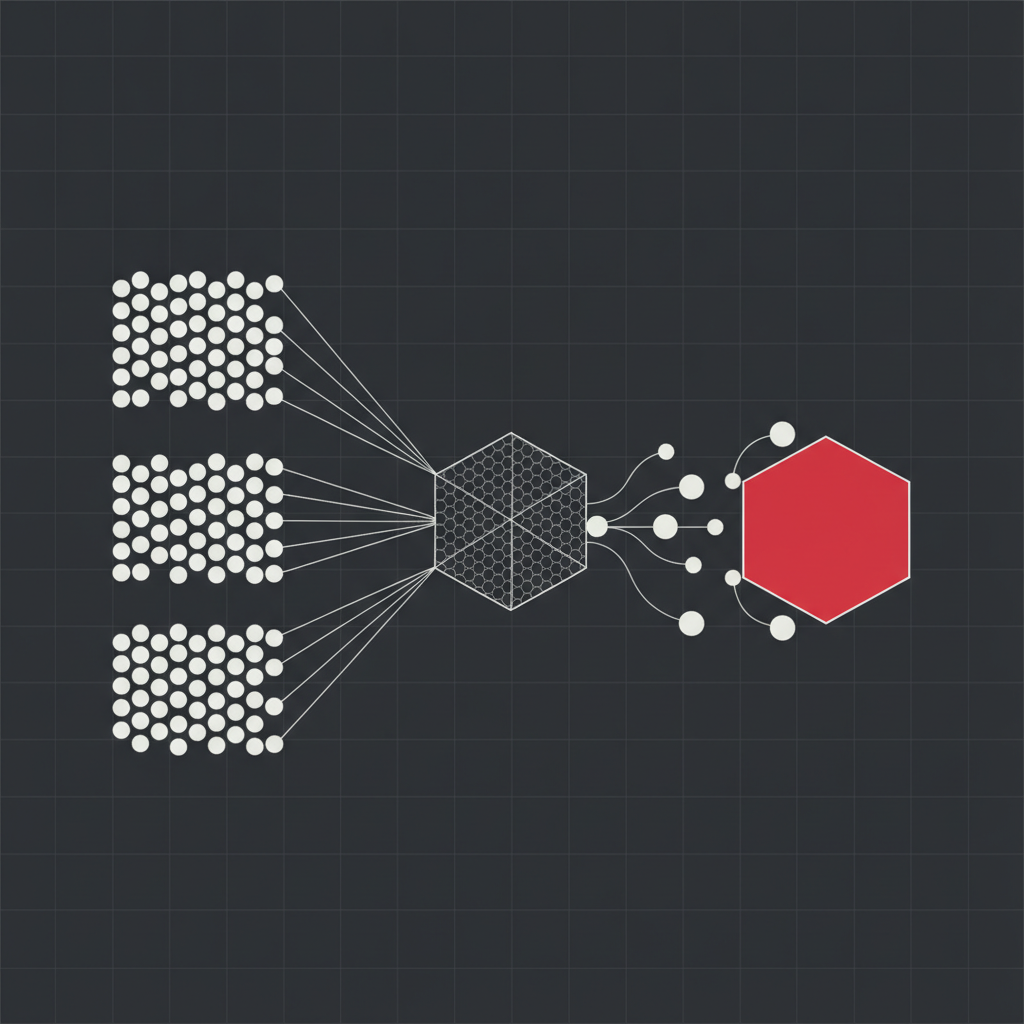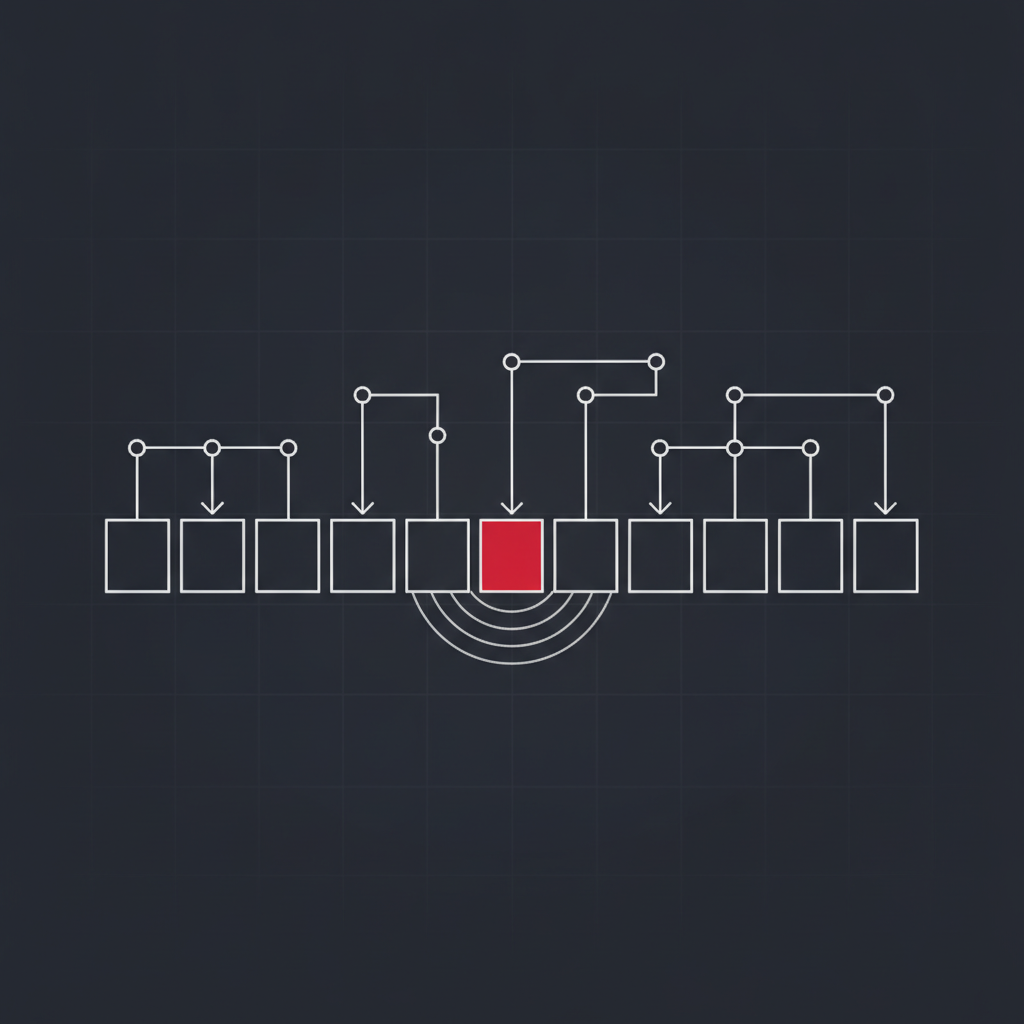
Link building tools are software platforms that automate one or more stages of backlink acquisition: prospecting, contact discovery, outreach management, and link monitoring. Unlike an all-in-one SEO suite, a link building tool is judged on a single outcome — how many qualified, contactable prospects it puts in front of you per hour of work.
According to Ahrefs’ study of one billion pages (2020), 66.31% of pages have zero backlinks, and those pages overwhelmingly receive no organic traffic. Backlinko’s analysis of 12 million outreach emails (2019) found that just 8.5% of outreach emails receive any reply, and that sending a single follow-up increases the reply rate by 65.8%. Those two numbers explain the entire economics of the category: links are scarce, outreach is inefficient, and software exists to compress the inefficiency — not to remove it.
Most teams buy link building tools in the wrong order. They start with a £400-a-month outreach platform, send 300 emails, get four replies and zero links, then conclude that link building does not work. The tool was never the constraint. This guide splits the category into the four jobs software can actually do, tells you what to buy at three realistic budgets, and is honest about the part no tool will do for you.
What Link Building Tools Actually Do
Every tool in this category does one or more of four jobs. Almost every listicle you will read ranks them as a single leaderboard, which is why the recommendations are useless — you cannot compare a backlink index to an email finder any more than you can compare a hammer to a tape measure.
Prospecting. Finding sites that plausibly would link to you. The workhorse here is competitor backlink gap analysis: pull the referring domains of the three sites ranking above you, subtract your own, and what remains is a qualified list. Ahrefs’ Link Intersect and Semrush’s Backlink Gap both do this well. Content-database tools add a second angle — finding pages that already cite the kind of thing you published.
Contact discovery. Turning a domain into a named human with a working email address. Hunter and Skrapp both do this. It is the least glamorous stage and the one where cheap tools cost you the most, because a 30% bounce rate does not just waste sends, it damages your sending domain.
Outreach management. Sequencing, personalisation, follow-ups, and tracking who said what. BuzzStream for relationship-led campaigns, Pitchbox for volume operations. This is the stage teams overbuy first and need last.
Monitoring. Confirming links go live and stay live. Links get removed, switched to nofollow, or lost in a redesign. Linkody and Ahrefs Alerts both handle it. If you are paying for links you are not monitoring, you are paying twice.
Why Most Link Building Tool Stacks Produce Nothing
Here is the uncomfortable part. In my experience auditing sites that had been running link building for six months or more with nothing to show for it, the failure was almost never the software. It was that the site had nothing worth linking to.
A prospecting tool returns 400 domains. An email finder returns 280 contacts. An outreach platform sends 280 personalised emails. If the page you are pitching is a service page or a generic 1,200-word blog post, the reply rate on that campaign is close to zero — and no upgrade to your tool stack changes that arithmetic.
The constraint is almost always one of three things: no linkable asset, no genuine relevance between your site and your prospect list, or a pitch that opens by asking for something. Software makes all three failures happen faster and at greater volume. That is genuinely worse than doing nothing, because it burns the prospect list you will need later.
Before spending anything on link building software, be able to finish this sentence: an editor at [target site] would link to [specific page] because [reason that benefits their reader]. If you cannot, your budget belongs in content production, not tooling.
How to Choose Link Building Tools: A Five-Step Framework
Work through this in order. Each step assumes the previous one is genuinely solved.
-
Identify which stage is actually your bottleneck. Count last quarter’s numbers: prospects researched, emails sent, replies received, links live. The stage where the number collapses is the only stage worth spending on. Teams sending 20 emails a month do not have an outreach automation problem.
-
Buy one backlink index and only one. Ahrefs, Semrush, and Majestic overlap heavily on link data, and paying for two is a common, expensive mistake. Pick based on the rest of your workflow — if you already run Semrush for keyword research and rank tracking, its Backlink Gap is good enough that Ahrefs becomes a luxury.
-
Add contact discovery before outreach automation. An email finder at £40 a month removes more friction than a £300 outreach suite, because the bottleneck for most lean teams is finding the right person, not sequencing the email. Verify addresses before sending, always.
-
Only buy outreach software above 100 sends per month. Below that threshold a spreadsheet and your normal inbox outperform a platform: better deliverability, better personalisation, no per-seat cost. Above it, the tracking and follow-up automation earn their keep.
-
Add monitoring last, and make it cheap. A £15-a-month monitor that emails you when a link disappears recovers more value per pound than anything else in the stack. Set it up once and ignore it until it pings.
The Three Link Building Tool Stacks, By Budget
These are the configurations I actually recommend, sized to team reality rather than feature checklists.
| Tier | Monthly budget | Stack | Realistic output |
|---|---|---|---|
| Solo / founder-led | £0-£120 | One backlink index (entry plan) + Google search operators + free email finder credits + a spreadsheet | 2-5 links/month |
| Lean in-house | £150-£400 | One backlink index (standard plan) + paid contact discovery + BuzzStream + cheap link monitor | 8-15 links/month |
| Agency / multi-client | £600+ | Ahrefs or Semrush at team tier + Pitchbox + verified contact enrichment + monitoring + shared reporting | 30+ links/month across accounts |
Two things worth noticing. First, the jump from tier one to tier two roughly triples output while roughly tripling cost — tooling scales close to linearly, which means it is never the source of a breakthrough. Second, every tier includes a backlink index, because it is the only genuinely non-substitutable tool in link building software. Everything else has a manual workaround.
The free tier deserves more respect than it gets. Google search operators, Google Alerts for unlinked brand mentions, and the free allowances on Ahrefs Webmaster Tools and Hunter will carry a founder-led site through its first thirty links. I have seen sites reach a healthy referring domain profile on nothing but operators and a spreadsheet, purely because the person running it published things worth citing.
Link Building Tools That Are Not Worth Buying
Some categories should be avoided outright, not because they are expensive but because they create liability.
Automated backlink generators — the tools promising hundreds of links from a dashboard — place links on networks, expired domains, and comment fields. Google’s spam policies are explicit that links intended to manipulate rankings are a violation, and this is the textbook case. The downside is not that the links do nothing; it is that at scale they become a footprint.
Link marketplaces sit in a grey zone that is not actually grey. Paying a site directly for a placement is a paid link, whatever the invoice says. Paying a consultant or agency for the labour of earning links is fine. The distinction is who receives the money and what they hand over for it.
Bulk authority-checker tools that score domains on a single third-party metric encourage the worst habit in the discipline: filtering prospects by a number instead of by relevance. A DR 30 site in your exact niche is worth more than a DR 70 general-interest blog, and no metric in any tool captures that.
What Link Building Tools Cannot Do
No tool writes a pitch a busy editor wants to answer. No tool decides which asset is worth building. No tool judges whether a site is genuinely relevant to yours or merely adjacent. And no tool creates the thing that makes all of the above easy, which is a reason for the link to exist.
This matters more now than it did three years ago, because AI has made generic outreach effectively free — which means editors receive far more of it and reply to far less. The 8.5% baseline reply rate from Backlinko’s study is a pre-AI number. Assume it is worse today. The only durable response is fewer, better pitches tied to something specific, which is a human judgement problem that software makes cheaper to execute and no easier to get right.
For the tactical layer that sits on top of the tooling, the link building strategies guide covers what to actually pitch, and the link building packages buyer’s guide covers what to look for if you are outsourcing the work instead.
Buy the backlink index. Add a contact finder. Skip the outreach platform until volume justifies it. Then spend everything you saved on the asset — because that is what the link building tools in your stack are ultimately pointing at, and it is the only part of the process a competitor cannot buy their way past.
Frequently Asked Questions
How much does link building cost?
Expect £200-£800 per earned link in most competitive markets, or £1,500-£5,000 per month for a managed campaign. The cost is driven almost entirely by labour: research, asset production, and outreach. Tools add £100-£500 per month on top of that, which is the smallest line in the budget. If someone quotes you £50 a link, you are buying placements on a network, not earning editorial links — the link building service page sets out how the labour actually breaks down.
How does link building work?
Link building works by giving another site’s editor a reason to reference your page, then asking them to. The mechanics are always the same four steps: find sites that plausibly would link, find the person who controls the page, send a pitch tied to something specific on their site, and follow up once. Tools speed up steps one and two. Steps three and four are human work, and they are where campaigns are won or lost.
Are backlinks still relevant in 2026?
Yes. Links remain one of the strongest measurable ranking correlates and they now also influence which sources AI search engines cite. Ahrefs’ study of one billion pages (2020) found 66.31% have zero backlinks, and those pages overwhelmingly get no organic traffic. What has changed is that volume no longer works — relevance and editorial intent do.
Can AI create backlinks?
AI can draft outreach emails, cluster prospects, and summarise a target site, but it cannot create a backlink. A backlink requires a human editor to publish a link on a site they control. Tools claiming to generate backlinks automatically are placing them on networks and expired domains, which falls squarely under Google’s link spam policies.
What is the best tool for link-building?
There is no single best tool, because link building is four separate jobs and no platform is best at all four. Ahrefs or Semrush for backlink analysis and competitor gap, Hunter for contact discovery, BuzzStream or Pitchbox for outreach management, and a monitor to confirm links stay live. A lean team can run the whole thing on one backlink index plus a contact finder — and if you want a second opinion on your current stack, that is exactly what a short SEO consulting engagement is for.