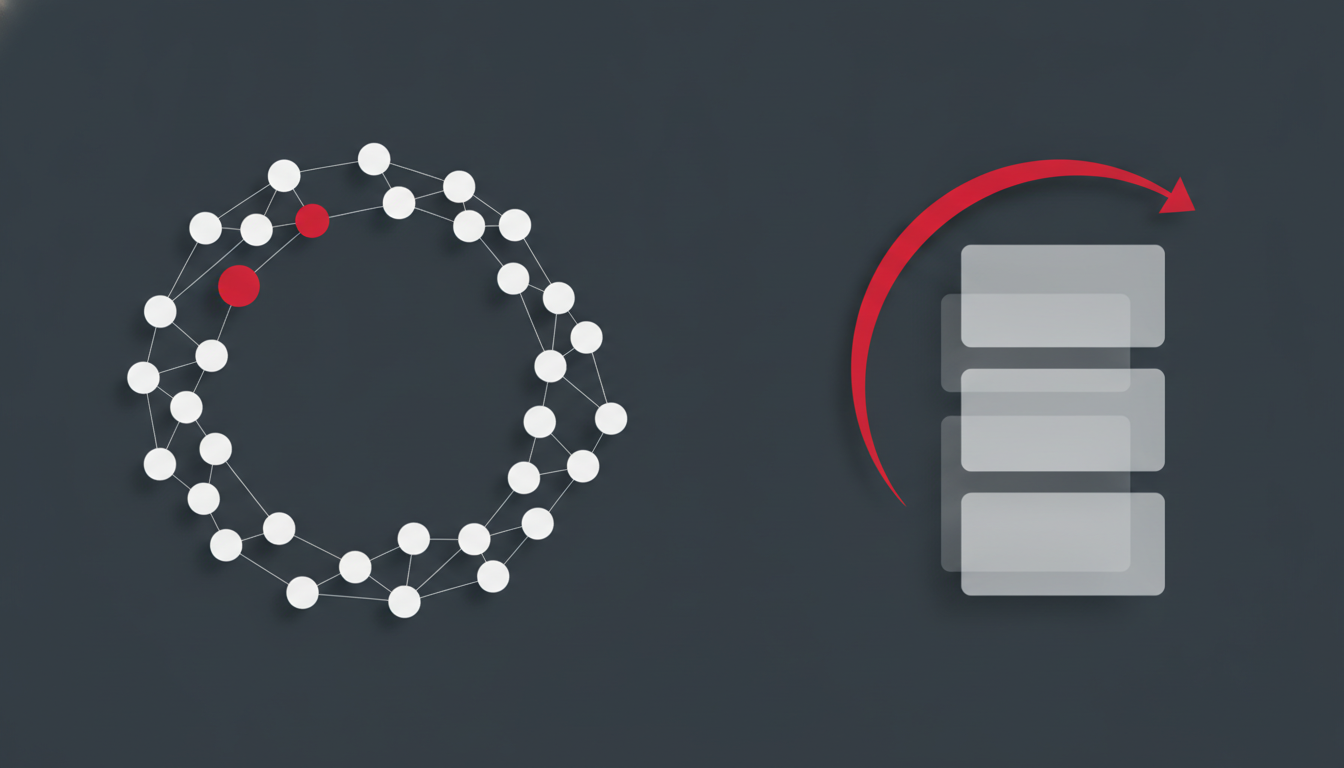
Semantic SEO is the practice of optimising your content for meaning and conceptual relationships rather than keyword strings. Instead of asking “which phrase should I repeat?”, you ask “which concepts, entities, and connections does Google expect to see on a page about this topic?” The result is content that ranks for hundreds of related queries — including ones you never explicitly targeted.
In 2026, semantic SEO is not optional. Google’s AI Overviews synthesise answers from pages that demonstrate conceptual depth, AI Mode assembles results from semantically authoritative sources, and thin, keyword-optimised pages are losing ground to pages that prove topical coverage. Understanding how to build and measure semantic relevance is now the core competency in content SEO.
This guide skips the definitions most articles give and goes straight to the diagnostic framework: how to audit gaps, build coverage, and measure whether it’s working.
What Semantic SEO Actually Is (and Isn’t)
Semantic SEO is not about using synonyms or “LSI keywords” — a concept with no direct basis in how Google’s ranking systems work. It is about three things:
Entity clarity. Google must be able to identify the real-world things your content is about: brands, people, places, products, and concepts. Ambiguous or entity-poor content is semantically weak regardless of keyword density. This is the infrastructure layer of semantic SEO, and it is why entity SEO and Knowledge Graph optimisation have moved from a nice-to-have to a prerequisite for visibility in AI search.
Topical coverage. Does your content address all the subtopics, questions, and related concepts a reader would expect? A comprehensive page answers every meaningful angle, not just the primary query. Coverage completeness is how you signal to Google that you understand a topic’s full perimeter.
Semantic structure. How your content is organised tells Google how the concepts relate. Headings, internal links, and schema markup are structural signals. A well-structured semantic cluster looks like a body of knowledge; a pile of isolated pages looks like a visitor who wrote once and left.
Semantic SEO is not a separate strategy from “normal SEO”. It is the deeper layer beneath it — the layer that determines whether your content is trusted as a source, not just found for a keyword.
Why Semantic Relevance Matters More in 2026
Three shifts have made semantic SEO the primary lever in content:
AI-generated answers select from trusted semantic sources. Google’s AI Overviews and AI Mode build answers from pages Google trusts conceptually. Research published in 2025 found that brand mention frequency correlated with AI Overview visibility at approximately 0.66 — far higher than the 0.22 correlation for backlinks. Content densely connected to relevant entities in the Knowledge Graph was selected for AI citations at significantly higher rates than entity-sparse pages.
The Knowledge Graph training loop. Google’s Gemini models are trained on the Knowledge Graph. A brand clearly represented there — with entity connections, structured data, and corroborating mentions — has a fundamentally different relationship with AI search than one that exists only as text on a page. Entity clarity is no longer downstream of ranking; it precedes it.
Topical authority as the ranking unit. Google no longer rewards individual pages in isolation — it rewards sites that cover topics completely. A page published by a site with strong topical authority ranks faster and for more related queries than an identical page on a site covering that topic once. The mechanism is semantic coverage. As covered in the topical authority guide, this is now where rankings, AI citations, and qualified traffic are won.
The Semantic SEO Audit: A 5-Step Diagnostic
Most semantic SEO problems go undiagnosed because teams lack a framework for identifying them. Here is the five-step audit I run on content programmes that have stalled.
Step 1: Entity Inventory
For every page on your site, ask: which real-world entity is this page canonically about? Every page should have one primary entity — a product, a concept, a person, a place — that is unambiguously stated in the title, H1, opening paragraph, and schema markup. Pages without a clear entity are semantically weak by definition.
The most common failure: a page titled “Best Practices for Marketing” with no brand name, no author entity, and no schema. Google cannot anchor this content to any known source. Contrast with a page that declares its author explicitly, includes Person schema linking to verified profiles, and states its subject in Article schema. The second page has semantic weight the first does not — regardless of identical keyword optimisation.
Step 2: Topic Coverage Gap Analysis
For each major page or topic cluster, run a content gap analysis against the pages currently ranking:
- Pull “People Also Ask” and “Related Searches” from the SERP for your core queries
- Identify every subtopic, question, and associated concept competitors address that you do not
- Note any entities, events, or processes appearing in three or more competing pages but absent from yours
The output is a list of conceptual gaps — not keyword gaps. The question is not “which phrase am I missing?” but “which concepts would a reader expect here that I have not addressed?” These are what semantic coverage gaps look like.
Step 3: Internal Link Semantic Check
Internal links communicate semantic relationships to Google. Review your site’s linking for two patterns:
Absent connections. Is the relationship between your pages explicit in the anchor text? “Click here” communicates nothing semantic. “How semantic keywords build topical depth” communicates a concept and strengthens the link between pages. Descriptive anchor text is a semantic signal.
Isolated pages. Any page with no internal links is invisible to crawlers and contributes nothing to your semantic graph. Resolve these before auditing further. Deciding which pages belong in which cluster is a keyword clustering discipline — group by SERP overlap, not surface similarity.
Step 4: Schema Coverage Check
Schema markup is where entity claims become machine-readable. For semantic SEO, the non-negotiables are:
OrganizationorLocalBusinesson your entity home page, with asameAsarray linking to every verified profilePersonschema for every content creator, with a real bio page and aworksForrelationshipArticleorBlogPostingon every content page, withauthor,datePublished, andaboutpointing to the primary entityFAQPagefor question-based content — it feeds both rich results and AI answer engines
Zero ambiguity is the goal: every page should tell Google what entity it is about, who created it, and how it connects to the rest of your site.
Step 5: Signal Consistency Check
Run a consistency audit across your brand’s digital footprint:
- Does your brand name appear consistently across your site, schema, and third-party profiles?
- Does the description of your expertise match across every touchpoint?
- Are the factual claims in your content corroborated by citations and named sources?
Inconsistency creates disambiguation doubt — Google lowers confidence in your entity and hedges on rankings as a result. This step is unglamorous and routinely delivers the fastest wins in a semantic SEO audit.
Building Semantic Coverage: The Practical Workflow
Once you have identified the gaps, the build phase follows a structured sequence:
-
Write to the concept, not the keyword. Your brief should specify the entities, subtopics, and questions to cover — not the phrase to repeat. Writing to concept coverage naturally produces the semantic richness that correlates with AI citation selection.
-
Cluster before you commission. Before writing any new page, map it against existing content. Many apparent gaps are already covered by a page not surfaced in the audit. Overlap creates cannibalization; proper clustering prevents it.
-
Build internal links at publication. Every new page should receive at least two relevant internal links from existing content on publish day. Internal links are part of the publish, not a follow-up task.
-
Add schema at publication.
FAQPageandArticleschema should be part of every page’s template. If your CMS supports afaqs:field that populates structured data automatically, use it on every page — the FAQ schema is particularly effective at feeding AI answer engines. -
Measure at 8–12 weeks. Semantic SEO changes accumulate slowly. Keyword footprint growth is the leading indicator; ranking movement is the lagging one. Both confirm each other at 12 weeks if the coverage improvements were real.
Measuring Semantic SEO Performance
You cannot measure “semantic SEO” directly, but its effects are concrete and trackable.
Keyword footprint. Pull the query report in Google Search Console for your topic’s core pages. Count distinct queries receiving impressions — especially queries you never explicitly targeted. A page ranking for 30 related queries it never targeted is exhibiting topical authority through semantic coverage. Growth here is the clearest signal that semantic relevance is building.
AI Overview presence. Run the head terms for your topic in Chrome. Are you cited? The sites being cited have semantic authority on the topic. Study what they have in common: entity structure, topic depth, schema coverage, corroborating mentions.
Impressions per page. Impressions grow before clicks do. A page gaining impressions for new queries is gaining semantic ground even if click-through hasn’t improved. Track impressions across the whole topic cluster as a group, not per individual page.
Time to rank. As semantic coverage builds, new pages in the same topic cluster rank faster. A site taking eight weeks to rank a new page might rank in three weeks after completing a topic cluster. Faster time-to-rank is a reliable proxy for trust accumulation.
Common Mistakes
Treating semantic SEO as a keyword variation exercise. Repeating phrases in different forms is not semantic optimisation. Semantic SEO is about covering the right concepts, not matching the right strings. The two look similar on a content brief but produce completely different results.
Skipping the entity layer. The fastest semantic SEO wins I have seen come from cleaning up entity signals: adding Person and Organization schema, building real author pages, fixing inconsistent brand descriptions. This work is boring and transforms rankings within weeks on sites that have been neglecting it.
Over-publishing instead of deepening. Adding more thin pages to a topic cluster without first covering the existing gaps completely dilutes authority rather than building it. The diagnostic question before commissioning new content: have I covered every meaningful angle of the existing cluster? If not, deepen first.
If you want an independent audit of your site’s semantic coverage and entity clarity, that is where my content SEO service starts. For competitive topics, link building amplifies the semantic authority your content has already earned.
Frequently Asked Questions
What is semantic SEO?
Semantic SEO is the practice of optimising content for meaning and conceptual relationships rather than keyword strings. Instead of repeating target phrases, you cover the entities, subtopics, and associated concepts a reader would expect on a page about your topic. Google matches queries to meaning — not strings — so content that demonstrates semantic depth ranks for hundreds of related queries, including ones never explicitly targeted.
How is semantic SEO different from traditional SEO?
Traditional SEO focused on keyword density, exact-match phrases, and individual page optimisation. Semantic SEO treats content as part of a conceptual network: entities are connected, topics are covered in depth, and Google evaluates your site as a source, not just a page. The practical difference is that semantic SEO wins at the topic level — a site with strong semantic coverage ranks for the entire topic cluster, not just the queries it explicitly targeted.
What are semantic keywords in SEO?
Semantic keywords are the related terms, concepts, and entities that Google expects to see on a page about a given topic. They are not synonyms or keyword variations — they are the concepts that co-occur with your topic in authoritative content. For a page on content SEO, semantic keywords include entities like “topical authority” and “entity recognition”, and concepts like “content clusters” and “SERP intent”. Including the right semantic keywords signals to Google that your page covers the topic’s full conceptual perimeter.
How do you measure if semantic SEO is working?
The clearest signal is keyword footprint growth: the number of distinct queries your topic pages rank or receive impressions for in Google Search Console, especially queries you never explicitly targeted. Other proxies: AI Overview presence for the topic’s head terms, rising average position across the topic cluster as a whole, and faster ranking of newly published pages in the same topic — a sign Google trusts your site’s authority on the subject.
Does semantic SEO work for small sites?
Yes — semantic SEO often favours smaller sites over large generalist publishers because it rewards depth, not domain size. A small site that covers a narrow topic with complete conceptual depth and clear entity structure can outrank a national publisher covering the same topic shallowly. Google’s topical authority signal is relative to the topic, not the domain’s overall size. Tightly defined semantic territory, owned completely, consistently outranks broadly scattered coverage from a larger site.