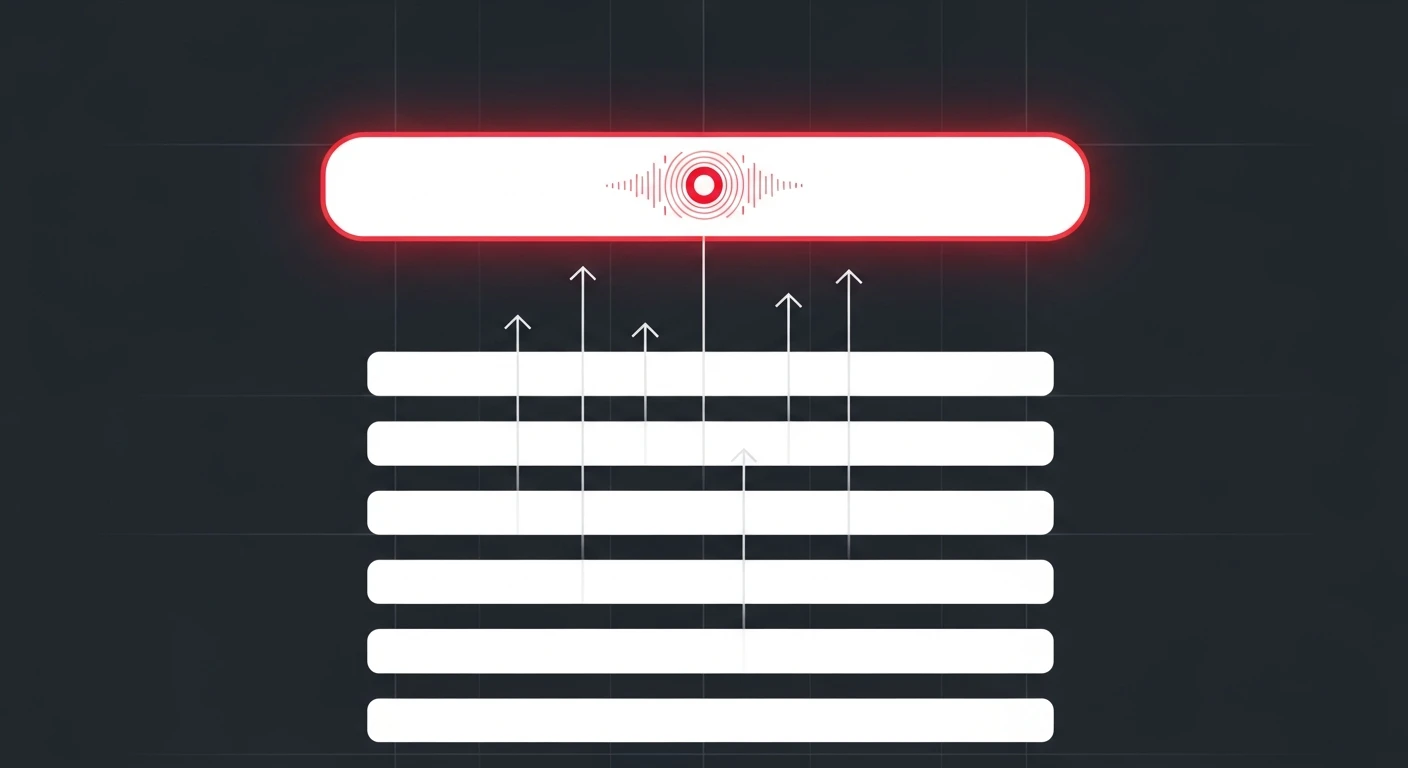
Featured snippet optimization is the practice of formatting your content so Google lifts it into the answer box above the organic results — position zero. You win it by directly answering a specific question in a clean, extractable format: a 40–60 word paragraph, a numbered list, or a table, placed on a page that already ranks in the top five for that query. Do that well and you take the single most visible spot on the results page.
Here’s the part most teams miss in 2026: the exact same work now feeds AI Overviews. The structured, quotable content that wins a featured snippet is what generative engines pull from too. So position zero stopped being a vanity metric and became one of the highest-leverage plays in search.
Let me show you how to actually win it.
What a featured snippet is (and the types that exist)
A featured snippet is a selected search result that Google promotes to the top of the page, above the standard blue links, with the answer pulled directly from a web page and the source URL cited beneath it. Per Google’s own documentation, these are generated algorithmically — you can’t submit or mark up a page to request one. You earn it by being the clearest answer to the query.
There are four formats, and knowing which one Google shows for your target query is the whole starting point:
- Paragraph snippets — a short block of text answering a “what is” or “why” question. These are by far the most common, making up the majority of all featured snippets.
- List snippets — ordered (steps, rankings) or unordered (features, options). Triggered by “how to”, “best”, or “types of” queries.
- Table snippets — pricing, comparisons, specs, data. Google extracts an existing HTML table or builds one from structured content.
- Video snippets — a YouTube clip with a jump to the relevant timestamp, common for “how to” queries.
You don’t get to pick the format. Google decides based on query intent. Your job is to identify what it’s already showing and match it. Optimize a page with a paragraph when the SERP wants a list and you’ll never get pulled.
Do featured snippets still get clicks in the AI Overviews era?
Yes — and the data pushes back on the doom narrative. When a featured snippet is present, the cited URL captures roughly 35% of clicks on that query, compared to about 23% for the standard #1 result. Position zero isn’t just visibility; it’s the largest single share of the clicks that remain.
The bigger reason to care is compounding. AI Overviews and featured snippets draw on overlapping signals: concise answers, clear structure, semantic relevance to the query. In my experience auditing sites through 2025 and into 2026, the pages that consistently win featured snippets are the same pages that show up as citations inside AI Overviews. You’re not choosing between the two surfaces. You optimize once and compete on both.
There’s a caveat worth stating plainly. For some informational queries, an AI Overview now sits above the featured snippet and absorbs the click entirely. That’s real. But it doesn’t change the tactic — it raises the stakes on it. Being the source the answer box quotes is also the strongest signal that you’ll be the source the AI answer cites. If you want the deeper mechanics of that second surface, I’ve covered it in the Google AI Overviews guide.
The featured snippet optimization framework
Here’s the process I use when a client wants to systematically claim position zero. It’s not guesswork — it’s a repeatable sequence.
Step 1: Find the queries you can actually win
Google pulls snippets almost exclusively from page-one results. Ahrefs’ study of two million featured snippets found that 99.58% of them come from pages already ranking in the top 10. So the first filter is ruthless: you can only realistically win a snippet for a query where you already rank in the top five.
Pull your Search Console queries, filter to positions 1–8, and cross-reference which of those SERPs currently show a featured snippet. Those are your targets. Chasing snippets for keywords where you rank on page two is wasted effort — fix the ranking first. This is exactly the kind of quick-win analysis I run in a technical SEO audit.
Step 2: Identify the snippet format Google wants
For each target query, run the search and look at what Google is currently showing. Paragraph? List? Table? That’s your template. Don’t argue with it. If the SERP shows a numbered list and your page has a wall of prose, you need to restructure the relevant section into a numbered list.
Step 3: Answer the question directly, high on the page
This is where most pages fail. They meander into context before answering. Google wants a clean, self-contained answer it can lift without editing.
For a paragraph snippet, lead the relevant section with a 40–60 word direct answer to the exact question. Define the term, state the fact, or give the response — then expand below. Put the answer immediately under an H2 or H3 that matches the query phrasing.
Step 4: Match the structure to the format
- Paragraph target: one tight 40–60 word answer, no fluff, no hedging.
- List target: a genuine
<ol>or<ul>, with each item starting concisely. Google reads the HTML list structure, not visually formatted paragraphs. - Table target: a clean HTML
<table>with clear headers, or structured comparison data Google can assemble.
Step 5: Use question-based headings
Structure your H2s and H3s as the questions people actually ask. “How long does a featured snippet take to win?” beats “Snippet Timeframes”. This aligns your content with People Also Ask boxes, which are a rich secondary source of snippet real estate and share the same answer-box mechanics.
Step 6: Cover the surrounding questions
Snippets cluster. A page that comprehensively answers a primary question and its related People Also Ask queries signals topical depth, which Google rewards. Map the PAA box for your target query and answer each of those sub-questions in its own clearly-headed section. This is core content strategy work — the same principle behind building topical authority.
Step 7: Make the page fast
Page experience matters here. Google favors fast-loading pages for snippet extraction, and slow pages lose the answer box to quicker competitors. If your Core Web Vitals are failing on the target page, that’s a prerequisite to fix before formatting — something I dig into in most technical SEO engagements.
Featured snippet formatting by query type
A quick reference for matching format to intent:
- “What is [X]” → paragraph snippet. Lead with a 40–60 word definition.
- “How to [X]” → list snippet. Number the steps, keep each step’s first sentence tight.
- “Best [X]” / “Types of [X]” → list snippet, usually unordered.
- “[X] vs [Y]” → table or paragraph. Google often builds a comparison table.
- “[X] cost / price” → table snippet. Structure the numbers cleanly.
The pattern is simple once you internalize it: query format predicts snippet format, and snippet format dictates how you structure the answer.
The mistakes I see most often
Across the sites I’ve audited, the same featured snippet errors repeat:
Burying the answer. The page ranks, has the information, but wraps it in three sentences of throat-clearing before getting to the point. Google can’t cleanly extract it. Fix: front-load the answer.
Answering in the wrong format. A prose paragraph where the SERP wants a list. Restructure to match what Google is already showing.
Over-optimizing length. Stuffing a 200-word “answer” hoping Google grabs part of it. It won’t. Snippets favor concision — say it in 40–60 words.
Ignoring the existing holder. If a competitor holds the snippet, open their page and read exactly how they answered. You’re not trying to be different; you’re trying to be clearer and more complete.
Chasing snippets you can’t win. Formatting a page that ranks #14 for the query. No amount of structure overcomes a page-two ranking. Rank first, format second.
How featured snippets and AI answers reinforce each other
The strategic reason to invest in position zero in 2026 is leverage. Structured, extractable, directly-answering content is the shared currency of both featured snippets and generative engines. When you write a clean 50-word definition under a question-shaped heading, you’re simultaneously optimizing for Google’s answer box, People Also Ask, AI Overviews, and third-party engines like Perplexity and ChatGPT Search.
That’s a rare thing in SEO — a single tactic that pays off across multiple surfaces at once. It also happens to align with search intent optimization, because answering the exact question in the exact format the user expects is the definition of intent alignment.
Featured snippet optimization isn’t a trick you bolt onto content. It’s what good, clearly-structured content looks like when it’s built to be quoted. Get the ranking, match the format, answer directly, and position zero follows — and the AI answers follow it.
Frequently Asked Questions
How long does it take to win a featured snippet?
If you already rank in the top 5 for the target query, formatting changes can trigger a snippet within days of Google recrawling the page. If you rank on page two, expect weeks or months — you have to close the ranking gap first, because Google almost never pulls snippets from below page one.
Can you optimize for a featured snippet without ranking on page one?
In practice, no. Ahrefs’ analysis of two million snippets found 99.58% come from pages already ranking in the top 10. Featured snippet optimization is a page-one game. If you’re not there yet, the priority is ranking, not snippet formatting.
Do featured snippets still matter now that AI Overviews exist?
Yes, and arguably more than before. The same structured, quotable content that wins a featured snippet is what AI Overviews and other generative engines pull from. Optimizing for position zero is now a two-for-one: you claim SERP real estate and improve your odds of being cited in AI answers.
What’s the ideal length for a featured snippet answer?
For paragraph snippets — the most common type — Google typically extracts 40 to 60 words. Lead your answer with a direct, self-contained definition or response in that range, then expand below it. Answers that run long or bury the point rarely get pulled.
Why did I lose my featured snippet?
Snippets are volatile. Common causes: a competitor published a clearer answer, Google reformatted the SERP to a different snippet type, an AI Overview absorbed the query, or you edited the page and broke the extractable structure. Check the query in Search Console and compare your current answer format against whoever holds it now.