Off-page SEO is the work done outside your own website to earn the links, mentions and citations that signal authority to search engines. Unlike on-page SEO, which you control on the page, off-page SEO depends on other sites choosing to reference you. That is why it is slower, harder and more valuable than most of the checklists suggest.
According to Backlinko and Ahrefs (2020, 11.8 million Google results), the number one result has 3.8 times more backlinks than positions two to ten. According to Google’s spam policies (2024), buying links to pass ranking signals is link spam, and sites caught doing it can be demoted or removed. According to Ahrefs (2025), branded web mentions are among the strongest correlates of brand visibility in Google’s AI Overviews.
The short answer: off-page SEO is mostly links plus brand mentions. Everything else on the typical 40-item checklist is noise. Earn a small number of relevant editorial links, get mentioned by sources your buyers and AI tools trust, and ignore directories, bookmarking and comment links.
What Off-Page SEO Actually Is in 2026
Off-page SEO is the collection of external signals that tell Google your site is worth ranking. The signal that matters most is still the backlink, meaning a link from another site to yours. The second is the brand mention, which is a reference to your name with or without a link.
Most guides stretch the definition to include social media, local citations, reviews and influencer work. Some of that is legitimate marketing. Very little of it is ranking work. Social links are nofollow on most platforms and add no direct link equity. Reddit is the clearest example: its links are nofollow, so the value is citations and exposure, which I cover in my Reddit SEO guide.
I define it narrowly on purpose. If an activity does not produce a link, a citation or a mention on a page that a real reader would trust, it is not off-page SEO. It is brand activity, which is fine, but it belongs in a different budget line.
Off-Page SEO vs On-Page SEO: Who Wins?
Neither wins. They answer different questions, and mixing them up is how companies waste a year.
On-page and technical SEO answer: can this page rank at all? Is it crawlable, indexable, relevant to the query and useful? Off-page SEO answers: among equally relevant pages, which one does the web vouch for?
In my experience auditing sites for founders and in-house teams, the order matters more than the split. A page with weak content and strong links plateaus fast. A page with strong content and no links often sits at positions 8 to 15 forever. If you have not fixed the basics, start with an SEO audit or the technical SEO work first. Then spend on links.
Backlinks: Still the Core, but Quality Rules
Google has said for years that links are one of many signals. At PubCon 2023, Google’s Gary Illyes reportedly said links are no longer a top-three ranking factor. That does not make them irrelevant. The Backlinko and Ahrefs study of 11.8 million results (2020) still shows a strong correlation between referring domains and position.
What changed is the weighting of quality. A single link from a relevant site with real traffic does more than fifty from low-traffic directories. Relevance beats raw authority metrics. A link from a respected industry blog with DR 35 usually outperforms a generic DR 70 site with no topical overlap.
Link velocity matters too. Three to five good links a month, every month, looks natural. Zero links followed by thirty in a week looks like a campaign. If you want to see where you stand, run a backlink audit before buying anything.
The Off-Page Tactics Worth Your Budget
Here is the ranking I give clients, ordered by return per hour for a small team.
Digital PR. Original data, commentary and campaigns that earn coverage from publications your customers read. It is the highest-value tactic and the hardest to fake. It is also where most agencies cut corners. Read the full playbook on digital PR link building.
Unlinked mention reclamation. If someone already wrote about you without linking, asking for the link converts at a much higher rate than cold outreach. It costs almost nothing. I cover the process in unlinked brand mentions and link reclamation.
Guest contributions on relevant publications. Google does not penalise guest posting. It penalises scaled, low-quality placements with keyword anchors. One article on a publication your buyers read is worth ten on a “write for us” farm.
Linkable assets. A calculator, a benchmark, a dataset or a definitive guide that people cite. These compound. They also take longer to pay back, so budget for six months.
Broken link and resource page outreach. Useful as a supplement. It scales poorly and the hit rate is low, but it works for niche topics.
What I do not spend client money on: directory submissions, social bookmarking, forum signatures, blog comment links and paid link marketplaces. If you need help with the legitimate side, my link building service is built around the list above.
Brand Mentions and AI Search: The New Off-Page Layer
Off-page SEO now serves two audiences. Google uses links. AI assistants such as ChatGPT, Perplexity and Google’s AI Overviews rely on what the wider web says about a brand.
According to Ahrefs (2025), branded web mentions show one of the strongest correlations with how often a brand appears in AI Overviews, ahead of raw backlink counts. Treat that as correlation, not proof. But the direction is consistent with how large language models learn about entities: through repeated, consistent references across trusted pages.
The practical consequence is simple. Mentions without links now matter. A podcast appearance, an expert quote in an industry article or a citation in a comparison page all help, even when no link is attached. Track them, and reclaim the link where you can.
Be consistent about the entity. Use the same brand name, the same author name and the same short description everywhere. Inconsistency makes you harder to recognise as a single entity.
A 5-Step Off-Page SEO Process for Small Teams
This is the process I run when a client has under 20 hours a month for off-page work. It assumes the on-page basics are already fixed.
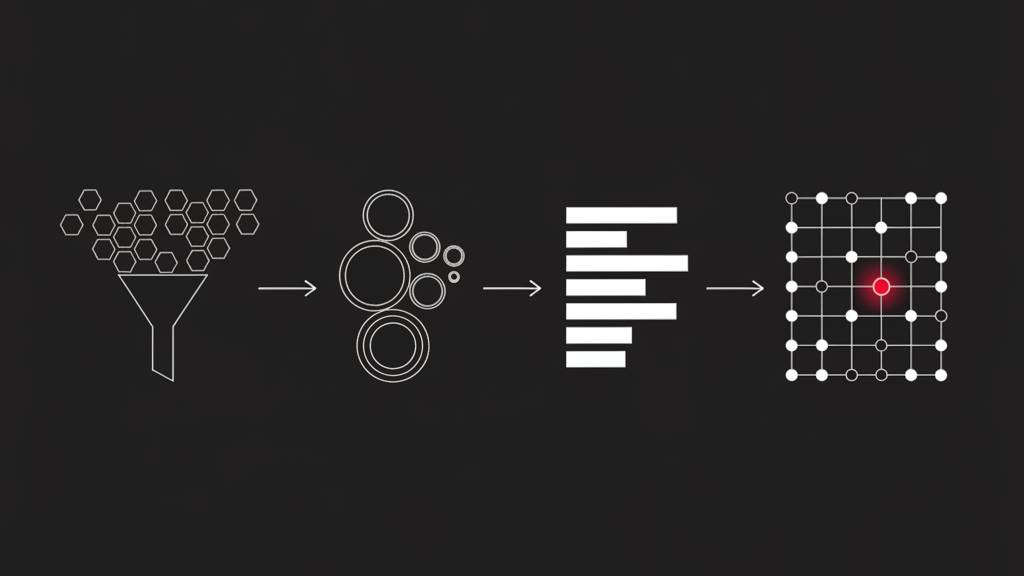
- Benchmark referring domains. Pull the referring domains of the top five results for your target keyword. That is your realistic gap, not a generic number from a blog post.
- Audit your existing links and mentions. Export your backlinks from Search Console, add a tool such as Ahrefs or Semrush, and search for brand mentions without links. Fix the quick wins first.
- Pick one earned-link asset. Choose a single piece of original data or a definitive resource that your market genuinely lacks. One good asset beats five thin posts.
- Run outreach in focused batches. Contact 20 to 30 relevant editors or authors per asset, personalise each message to a specific paragraph, and follow up once. Quality of fit matters more than volume.
- Report on referring domains and rankings monthly. Track new relevant referring domains, mentions gained and ranking movement for the target pages. Judge the programme after six months, not six weeks.
For teams that need help picking the right sequence, an SEO consulting engagement is usually faster than learning by trial and error.
What to Ignore: Off-Page Myths That Waste Budget
“Domain Authority is a Google metric.” It is a Moz metric. Google does not use DA, DR or any third-party score. Use them to compare candidates, not as targets.
“More links is better.” Link volume has little value on its own. A hundred irrelevant links can add risk without adding value. If you receive spammy links from nowhere, Google usually ignores them. Use the disavow tool only if you have a manual action or built a manipulative profile yourself.
“Social signals boost rankings.” Social activity can drive traffic and help links happen. It is not a direct ranking factor.
“Buy links, but make them look natural.” Google’s spam policies treat paid links that pass ranking signals as link spam. Penalties and demotions are real, and cleanup costs far more than the links did.
“Off-page SEO is only link building.” Close, but no. Mentions, citations and reputation matter, particularly for AI search visibility.
What Off-Page SEO Costs and How Long It Takes
Expect three to six months before off-page work shows in rankings. Competitive keywords take longer. Anyone promising results in 30 days is selling something other than SEO.
Cost depends on the model. A legitimate digital PR campaign or a quality outreach programme typically costs more per link than the cheap packages you will see advertised, because each link requires real editorial work. See SEO pricing for how I scope this. If you are comparing providers, my notes on link building services cover what to ask and what to reject.
Plan the budget around outcomes you can measure: new relevant referring domains, mentions gained and ranking movement for the pages you targeted. If a provider cannot show you the pages that linked, you cannot verify the work.
Off-Page SEO in 2026: The Bottom Line
Off-page SEO in 2026 comes down to three decisions. Fix the on-page foundation first. Earn a small number of relevant links and mentions from sources that matter to your buyers. Ignore everything on the checklist that does not produce one of those two things.
That is where off-page rankings are actually won.
Frequently Asked Questions
What is off-page SEO?
Off-page SEO is everything that improves your rankings from outside your own website. In practice that means backlinks from relevant sites, unlinked brand mentions, digital PR coverage and the reputation signals that come with them. On-page SEO is what you control on the page. Off-page SEO is what other people say about you.
What are examples of off-page SEO?
The examples that move rankings are earned editorial backlinks, digital PR placements, guest contributions on relevant publications, unlinked brand mention reclamation and being cited in industry research. Social posts, directory submissions and social bookmarking are usually listed as off-page SEO too, but they add very little ranking value.
Is off-page SEO more important than on-page SEO?
No. They solve different problems and one cannot replace the other. On-page and technical SEO decide whether a page can rank at all. Off-page SEO decides how well it ranks against competitors that are equally relevant. For competitive keywords you need both, and a weak page with strong links still loses to a strong page with decent links.
How long does off-page SEO take to work?
Expect three to six months before off-page work shows in rankings. A link has to be discovered, crawled, indexed and weighted before it changes position. For competitive keywords, plan on six months of steady activity before judging results, and measure referring domains and rankings monthly, not weekly.
What is the difference between on-page and off-page SEO?
On-page SEO covers the content, titles, structure and internal links on your own pages. Off-page SEO covers external signals, mainly backlinks and brand mentions from other sites. You control on-page work fully. You only influence off-page work, because it depends on other people choosing to link to or mention you.