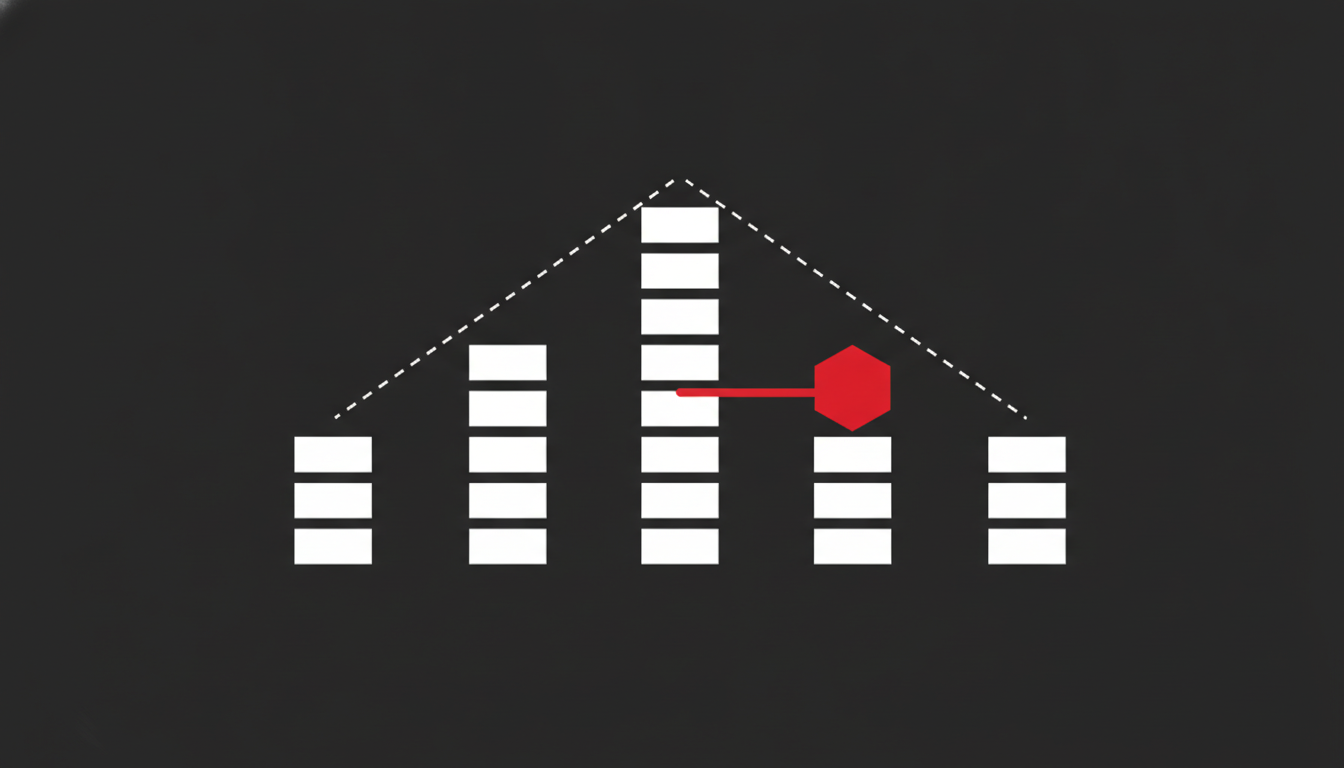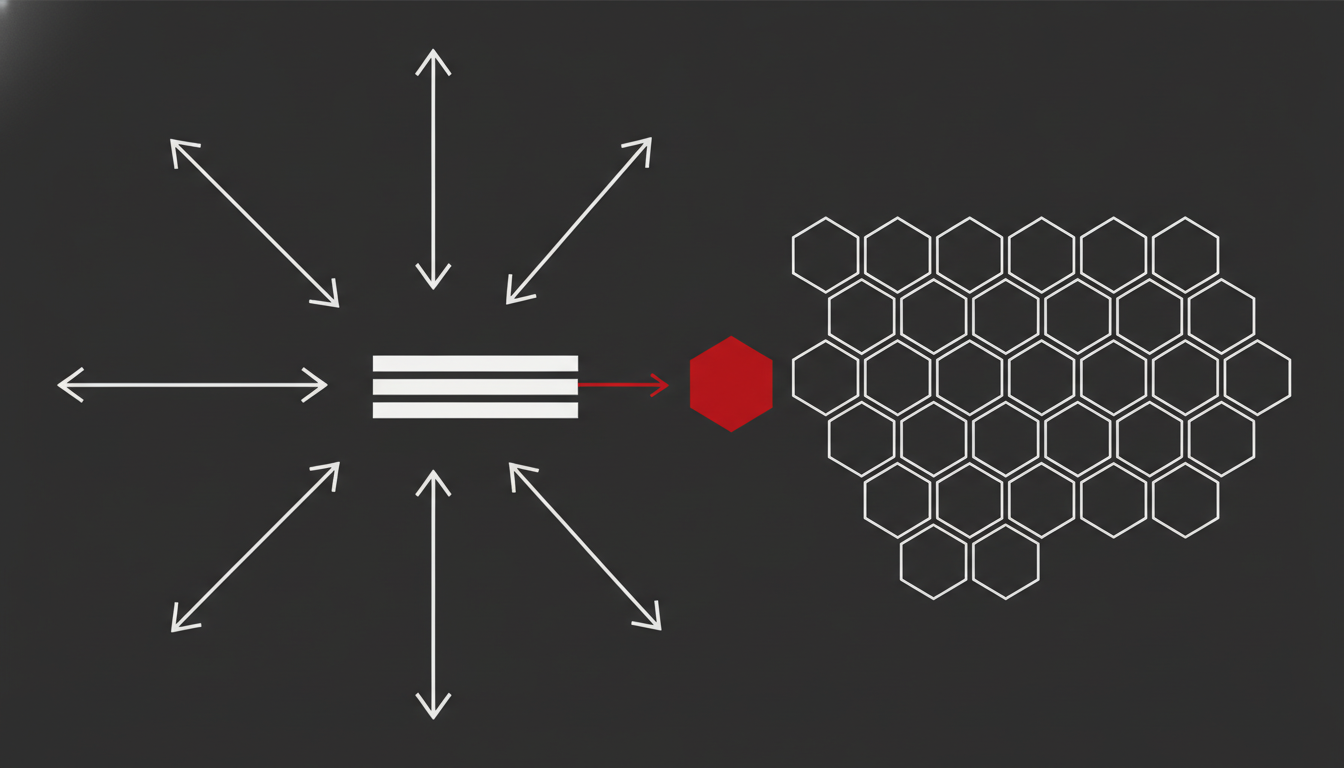
Link building for SaaS is the practice of earning links to a software company’s revenue pages — comparisons, alternatives, integrations and pricing — rather than to its blog. Unlike generic link building, which treats every acquired link as equivalent, SaaS link building is a routing problem: the link has to land where a buying decision happens, or the authority never reaches the page that closes the deal.
According to Editorial.link’s 2026 survey of 518 SEO professionals, agencies allocate 32.1% of total SEO budget to link building — the single largest line item in the discipline.
According to SalesHive’s 2026 pricing analysis, high-quality SaaS backlinks typically cost $300 to $2,000+ per placement, with companies averaging over $1,000 for a contextual editorial link.
A 2026 industry survey of SEO professionals put digital PR first among link building tactics at 48.6%, well ahead of guest posting at 16% and linkable assets at 12%.
Most SaaS link budgets fail for a boring reason. The links get built, the reports look fine, and none of the authority ever reaches a page anybody buys from. If you are going to spend $3,000 a month on placements, the first decision is not which vendor to hire — it is which URL the link points at.
Why generic link building tactics underperform for SaaS
A SaaS business has an unusual page structure. Its money pages are not product listings or service pages; they are comparison pages, competitor alternative pages, integration pages and a pricing page. Those pages are commercially valuable and almost impossible to earn links to organically, because nobody voluntarily links to a page arguing why you beat their other option.
So the default happens: the agency builds links to whatever is linkable, which is the blog. (Which agency model you hired matters too — see how the five types of link building services differ.) Six months later the blog has a healthy backlink profile and the comparison pages still sit on page three.
The second structural problem is measurement. SaaS marketing teams report on pipeline, and link building reports on placements. Those two numbers never meet unless someone deliberately connects them, which is why link budgets are the first thing cut when a board asks what SEO actually returned.
In my experience auditing SaaS sites, the single most common finding is not a thin backlink profile. It is a backlink profile that is perfectly adequate and pointed entirely at the wrong half of the site.
Point links at bottom-of-funnel pages, then route the authority
The fix is a two-step routing model, and it is not complicated.
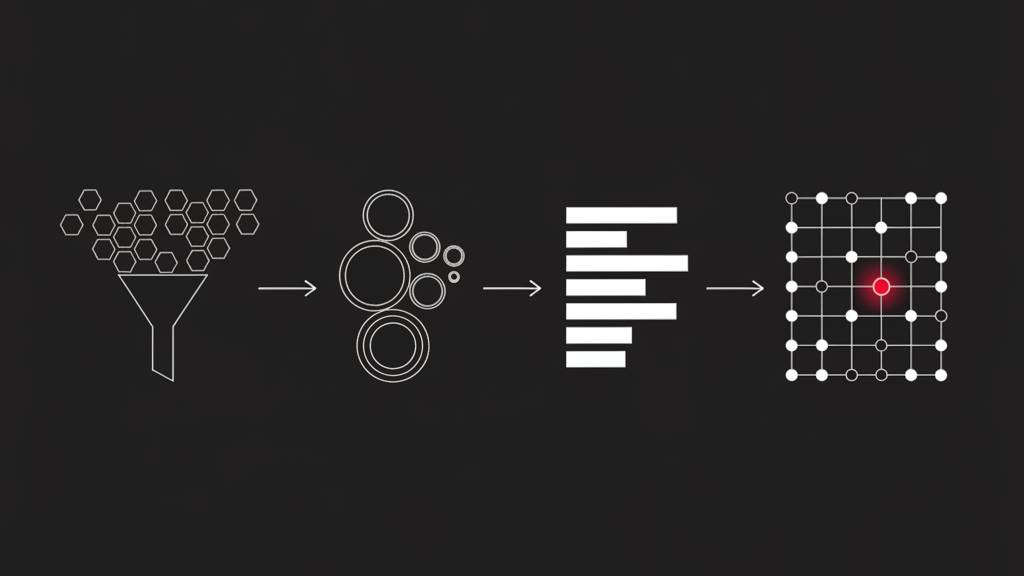
First, the external link lands on the strongest asset you can realistically get cited — usually original data, a free tool, or a genuinely useful guide. Second, that asset internally links to the commercial page that needs the authority, with anchor text that describes the destination.
This works because internal linking is the only part of the system you fully control. You cannot make a journalist link to your pricing page. You can make your most-linked asset link to it. A deliberate internal linking strategy does more for a SaaS site’s commercial pages than another ten placements pointed at the blog.
Map it explicitly before you commission anything:
- Which five URLs need authority? (Usually: main comparison page, top two competitor alternative pages, highest-intent integration page, pricing.)
- Which assets can plausibly earn links? (Original research, benchmark data, a calculator, a genuinely differentiated guide.)
- What internal path connects the second list to the first?
If you cannot draw that path on one page, you are not ready to buy links yet.
The four link types that actually move a SaaS category
Not all SaaS backlinks do the same job. Four categories carry most of the weight.
Editorial placements in publications with real traffic. A contextual link inside an article on a site with genuine organic readership. This is what agencies mean by “link building” and what the $300–$2,000 range buys. Value depends almost entirely on whether the specific page ranks for anything, not on the domain’s rating.
Digital PR from original data. You publish something nobody else has — usage data from your own product, a survey of your category, a benchmark study — and pitch it to journalists. This is the tactic the 2026 survey ranked first at 48.6%, and it is the only one that reliably produces links you could not have bought. It is also the hardest, because it requires you to have something to say.
Integration, partner and review profile links. Every SaaS integration directory, partner page and software review profile is a link you already qualify for and probably have not claimed. These are low-glamour and high-certainty. Most SaaS companies have twenty of them unclaimed.
Unlinked brand mentions. Your company gets named in articles without a link more often than you think. Reclaiming those is the cheapest link acquisition available, and the pitch writes itself. I have covered the full workflow in unlinked brand mentions and link reclamation.
Note what is missing from that list: directory submissions, PBNs, and reciprocal link exchanges with other SaaS companies. Google’s link spam policies name link exchanges explicitly, and “SaaS-to-SaaS link swap” is a link exchange wearing a nicer jacket.
The five-placement test: vet any vendor before you pay
Before signing a link building contract, ask for five live placements the vendor delivered in the last 90 days. Not a case study, not a media list — five URLs. Then run these checks in order.
1. Confirm the placement is live and followed. Open each URL and find the link. Check the rel attribute. A surprising share of “delivered” links come back nofollow or removed after the invoice cleared.
2. Check whether the linking page ranks for anything itself. Put the page into any rank tracking tool. If the page has no keyword rankings and no organic traffic, it is a page built for links, and a link from it is worth close to nothing regardless of the domain’s rating.
3. Check the domain’s organic traffic trend, not its domain rating. Domain rating is a link-graph metric that link sellers optimise for directly, which makes it the easiest number in SEO to inflate. A rising organic traffic curve cannot be faked the same way.
4. Check the site’s publishing history. Look at the blog index. If every post is a guest contribution on unrelated topics, you are buying a placement on a link farm with a real domain name.
5. Ask what happens to the links if you cancel. If placements disappear when the retainer stops, they were rentals, not links. Get the answer in writing before you sign.
Any vendor who cannot supply five live URLs from the last quarter is not a vendor you want. This is the same diligence I would apply on a paid link building engagement, and it takes about forty minutes.
What to budget, and what the money actually buys
Published pricing for SaaS link building in 2026 clusters into three shapes. Per-link pricing for contextual editorial placements runs $300 to $2,000+, averaging above $1,000. Agency retainers typically run $2,000 to $15,000 per month. In-house programmes cost roughly $3,000 to $8,000 per month once you count tools, content production and outreach hours — which is to say they are not cheaper, they are differently expensive.
The important framing: you are paying for labour and relationships, not for links. Paying a publisher directly to place a link is a different transaction, and it is the one Google’s policy targets. A vendor who is comfortable showing you their outreach process is selling the first thing. A vendor who only shows you a price per link is selling the second.
For context on how link spend fits the rest of a SaaS budget, the SaaS SEO playbook covers where links sit relative to content and technical work, and the link building packages buyer’s guide breaks down what each price tier actually delivers.
How to measure whether link building for SaaS worked
Placement counts are an input metric. They tell you the vendor did work, not that the work mattered. Measure three things instead.
Rankings on the specific target URLs, tracked from the day the programme starts. Not sitewide visibility — the five pages you identified in the routing map. If those pages have not moved in 90 days, the links are landing somewhere else.
Referral traffic quality from the placements. A link on a page with real readership sends real visitors. A link on a page with none sends nothing, and your analytics will tell you which you bought within a month.
AI citations, which have become a legitimate second output of the same work. When ChatGPT, Perplexity or Google’s AI Overviews answer a question about your category, they cite sources. The pages cited are disproportionately the pages with editorial links from publications the models trust. Link building for SaaS now buys two things with one spend, which is the strongest argument for it in years.
If you want an independent read on whether your current programme is working before you renew, that is exactly what an SEO audit is for, and it costs a fraction of one month’s link retainer.
Frequently Asked Questions
How much does link building cost?
High-quality SaaS backlinks typically cost $300 to $2,000+ per placement, with most companies averaging over $1,000, according to SalesHive’s 2026 pricing analysis. Agency retainers usually land between $2,000 and $15,000 per month depending on volume and category difficulty. In-house programmes cost less in cash but more in headcount, because someone has to own outreach full time.
Are backlinks still relevant in 2026?
Yes, and the budget data says so plainly: Editorial.link’s 2026 survey of 518 SEO professionals found agencies allocate 32.1% of total SEO budget to link building, the single largest line item. What has changed is which links count. A placement on a page that already ranks for something is worth more than ten placements on a high-DR domain with a dead blog section.
Is it worth paying for backlinks?
Paying an agency or freelancer to earn placements is normal and defensible — you are buying outreach labour. Paying a site directly for a link violates Google’s link spam policy and puts the placement at risk of being discounted. The distinction is whether you are buying labour or buying a link, and it should be visible in what the vendor is willing to show you about their process.
What is link building and how to do it?
Link building is the practice of earning links from other websites to yours so search engines and AI systems treat your pages as more trustworthy. For SaaS specifically, the process is: pick the revenue pages that need authority, build assets worth citing, pitch them to publications with real editorial traffic, then route the authority internally from the linked asset to the pages that convert.
What are the top 10 SaaS link building services?
Any ranked list of SaaS link building services you find in search is almost certainly published by one of the vendors on it, which makes the ranking marketing rather than research. Rather than trusting a list, run the same five checks on every candidate: live placements from the last 90 days, whether those pages rank for anything themselves, real organic traffic, the domain’s publishing history, and what happens to the links if you cancel.
Link building for SaaS is not hard to do well. It is hard to do well cheaply, and it is trivially easy to do expensively and pointlessly. Decide which five URLs need authority, insist on seeing five live placements before you sign, and measure the pages rather than the placements. If you want a second opinion on a programme before renewal, get in touch.