Unlinked brand mentions are references to your company or product in published content that stop short of linking to you — and they are the fastest backlinks you will ever earn, because someone has already decided your brand is worth naming. Link reclamation is the process of finding those mentions and asking, politely, for the link that should have been there from the start. Done well, it converts two to four times better than any cold outreach campaign you will ever run.
Most link building strategies chase links you do not have yet. Link reclamation chases links you have already half-earned. That distinction is why it deserves its own place in your process, not a footnote at the bottom of a bigger campaign.
What Counts as an Unlinked Brand Mention
An unlinked brand mention is any reference to your company, product, founder, or a clearly branded term, published somewhere on the web, without a hyperlink pointing back to your site.
In practice this shows up in a handful of recurring forms:
- A journalist writes “tools like [Your Brand] help teams track X” in a roundup, with links to nine competitors but not you
- A podcast transcript or show-notes page names you as a guest or source, with no link in sight
- A “best tools for Y” listicle includes your product name in the copy but links only to a generic category page
- A press release or news write-up quotes your founder without linking the company name
- A forum thread, Reddit answer, or community post recommends your product by name
Each of these is a page that already trusts your brand enough to say your name out loud. The gap between that and a backlink is usually a two-minute edit for the person who published it — which is exactly why reclamation outreach converts so well.
Why Unlinked Mentions Are the Easiest Links You’ll Ever Earn
Links remain scarce. Ahrefs’ study of over a billion pages found that 66.31% of pages have zero backlinks at all, and most of those pages generate no organic traffic. Every relevant, editorial link you can add to your profile passes real link equity in a landscape where the majority of the web has none.
Reclamation outreach performs disproportionately well inside that scarcity. Industry benchmarking across outreach platforms consistently puts well-qualified reclamation campaigns at 20-40% conversion, against 5-15% for cold link requests asking for something the site owner has never considered. The math is simple: you are not pitching a stranger on a favour, you are pointing out an oversight in content they already published about you.
There is a second layer worth naming for 2026. Google has said, in recorded Search Central Q&A sessions, that its systems recognise brand mentions as entity signals independent of any hyperlink — feeding into how it understands a brand’s reputation and topical authority. Google’s own documentation on link attributes confirms these signals are treated as hints its systems weigh, not directives, which is exactly why a mention alone does not pass the ranking equity a link does. The same logic extends further into generative search: AI answer engines build their sense of who is credible on a topic partly from how often and how consistently a brand is named across the web, linked or not. A reclaimed link does double duty — it adds direct link equity and reinforces the citation pattern that AI search visibility depends on.
In my experience running backlink audits, unlinked mentions are almost always the most under-exploited line item on a client’s opportunity list. Teams run digital PR campaigns, get named in a dozen publications, and never go back to check which of those wins actually turned into links. The mentions sit there for years, doing partial work when they could be doing full work.
How to Find Unlinked Brand Mentions
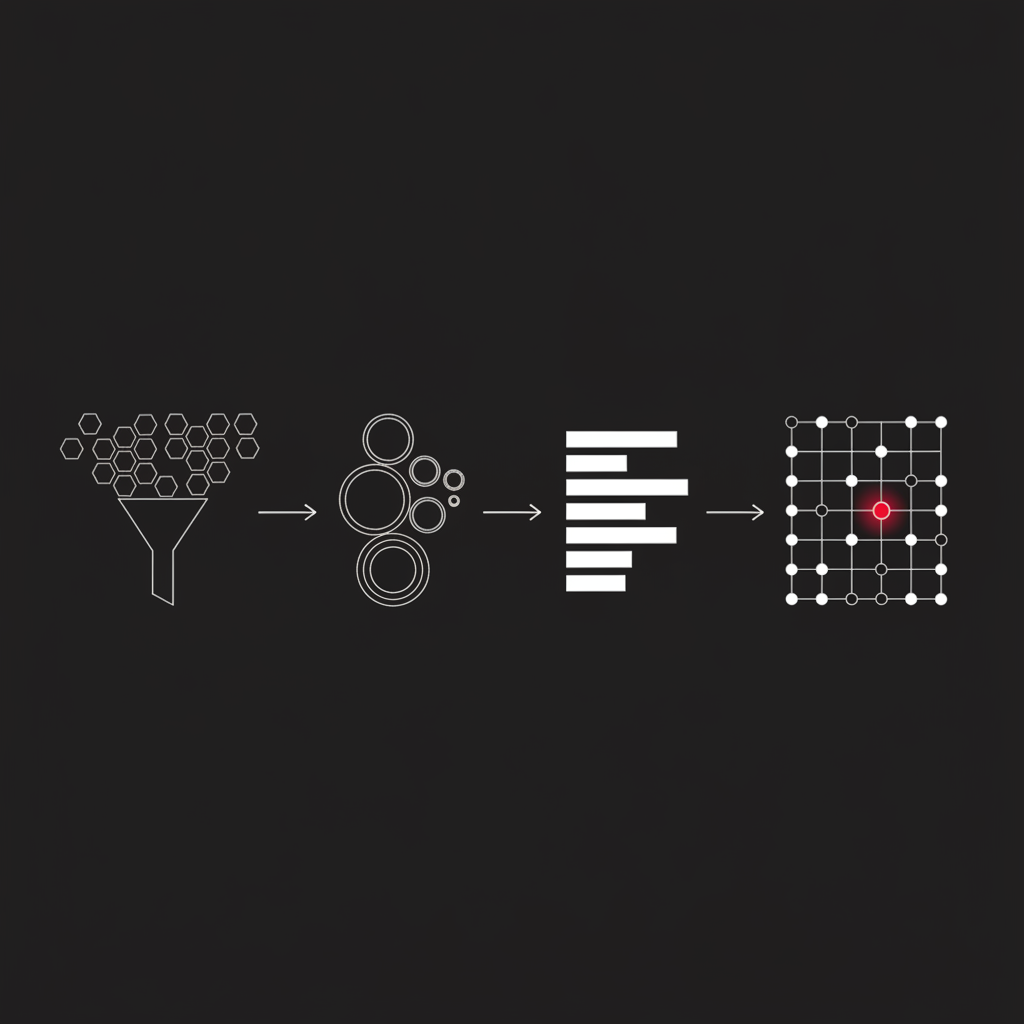
You cannot reclaim what you have not found. Building a reliable discovery process is the foundation of link reclamation, and it splits into ongoing monitoring plus a periodic historical sweep. Monitoring is the cheapest stage of any link building tool stack, which is why reclamation is usually the best return per euro in the whole discipline.
Set up always-on monitoring. Google Alerts is free and catches new mentions as they get indexed, but it is slow and misses a lot. Semrush’s Brand Monitoring tool tracks mentions across the web and separates linked from unlinked results directly, which removes the manual cross-checking entirely. Set alerts for your exact brand name, common misspellings, your founder’s name if they are a public voice, and your flagship product names.
Run a historical sweep with a content database tool. Ahrefs’ Content Explorer searches its index of crawled pages for your brand name and lets you filter by “no link to my domain” in one pass. This surfaces years of mentions that predate your monitoring setup — often the richest vein, because it includes coverage nobody has ever gone back to check.
Filter ruthlessly before you prioritise. A raw export will include your own social profiles, duplicate syndicated content, and irrelevant name collisions (a different company that happens to share your name). Strip those out first, or you will waste outreach time on domains that were never real opportunities.
Prioritise by authority and relevance, not volume. Sort the clean list by domain authority and topical relevance to your business. A mention on a mid-tier industry publication your buyers actually read is worth more than ten mentions on low-traffic aggregator sites. This is the same judgment call that matters in any backlink audit — quality and relevance beat raw counts every time.
The Link Reclamation Outreach Process
Finding the mention is the easy half. Converting it is where most campaigns underperform, usually because the outreach reads like a form letter. Here is the process that actually works.
- Verify the mention is still live and unlinked. Pages get updated. Check the current version before you reach out — nothing kills credibility faster than asking for a link that already exists.
- Identify the actual author or site owner. A byline, an “about” page, or a contact form. Generic “info@” emails get ignored; a named contact does not.
- Lead with genuine appreciation, not the ask. Thank them for the mention specifically — reference what they wrote and why it mattered to you. This is not filler; it signals you actually read their piece.
- Frame the link as a reader benefit, not an SEO favour. Explain that a link lets their readers click straight through to verify pricing, features, or the resource you were named for. You are improving their content, not extracting value from it.
- Keep the ask short and specific. Give them the exact sentence and the exact URL to link. Do not make them guess what you want or where it should point.
- Follow up once, politely, after a week or two. People are busy, not necessarily uninterested. A single, brief follow-up recovers a meaningful share of non-responses without becoming a nuisance.
- Log the outcome and move on. Track what converted, what didn’t, and why — this data sharpens your prioritisation on the next sweep.
Speed matters more than most people assume. Outreach sent within 48-72 hours of a new mention going live converts noticeably better than outreach sent weeks later, while the piece is still fresh in the author’s mind and easy to edit.
Common Mistakes That Kill Reclamation Outreach
Treating it like cold link building. A templated pitch that ignores the specific mention reads exactly like the hundred other link requests that author gets weekly. Personalisation is not optional here — it is the entire reason reclamation converts better than cold outreach in the first place.
Chasing every mention equally. Not every mention deserves outreach. A low-authority forum post or a syndicated wire story republished on fifty domains is not worth the same time as an original piece on a site your buyers read. Prioritise or you will burn goodwill and hours on mentions that were never going to move a ranking.
Asking for more than the mention supports. If a roundup names you once in passing, do not ask them to rewrite a paragraph in your favour. Ask for the one link that matches what they already wrote. Overreach kills a request that would otherwise have been an easy yes.
Ignoring mentions without an obvious contact. Some of the highest-authority mentions come from sites with no visible author or contact form. A quick search for the site’s PR or editorial contact, or a message to whoever wrote about you on social media, often opens the door that the page itself does not.
Forgetting to monitor after the fact. A converted mention can quietly get de-linked in a future content refresh. Treat reclaimed links the same way you treat any other link in your profile — worth checking periodically, not a one-time win.
Where Link Reclamation Fits Into a Real Link Building Program
Link reclamation is not a replacement for earning new coverage. It is the cheapest, highest-converting layer to run alongside digital PR, guest contributions, and the other link building strategies that create mentions in the first place. Every digital PR win, every podcast appearance, every product review you earn becomes a reclamation opportunity the moment it publishes without a link.
The sequencing I recommend to clients: run a discovery sweep once to clear the historical backlog, then fold ongoing monitoring into whatever process already tracks your digital PR coverage, so new mentions get checked and actioned as a matter of routine rather than a separate project. Pair that with the same relevance-first judgment you apply during a full backlink audit, and reclamation becomes a small, recurring task instead of an occasional scramble.
If your team already runs PR or content campaigns and nobody owns the follow-through on the links those campaigns should have produced, that gap is usually cheaper to close than any new outreach campaign you could launch. It is also exactly the kind of quiet, high-ROI work that gets folded into a broader link building engagement rather than treated as a one-off project, and the kind of finding that turns up constantly during a technical and authority audit. I flag it routinely during SEO consulting work, precisely because it is one of the few link tactics that pays back within weeks rather than months.
Unlinked brand mentions are not a growth hack. They are unfinished business — coverage you already earned, sitting one short email away from becoming a real backlink. Build the monitoring habit, prioritise by relevance, and reclaim consistently, and you will out-convert almost every other link building tactic you run, mention for mention.
Frequently Asked Questions
What is the difference between a brand mention and a backlink?
A brand mention is any reference to your company or product name in published content. A backlink is a mention with a clickable hyperlink attached. Google’s own commentary confirms it recognises unlinked mentions as signals about an entity’s reputation, but only a hyperlink passes the ranking equity a backlink does. Link reclamation is the process of turning the first into the second.
How do I find unlinked brand mentions of my company?
Use a brand monitoring tool such as Semrush’s Brand Monitoring or Ahrefs’ Content Explorer, search your exact brand name and common variants, then filter results to exclude your own domain and any page that already links to you. Google Alerts catches new mentions as they publish but misses historical ones, so pair it with a paid tool for a full sweep.
What is a good conversion rate for link reclamation outreach?
Well-qualified, properly prioritised reclamation outreach typically converts at 20-40%, compared with 5-15% for cold link requests where no relationship or prior mention exists. The gap exists because the author already knows your brand and has already judged it worth naming — you are asking for a small edit, not a favour from a stranger.
Do unlinked brand mentions help SEO even without a link?
Yes, to a degree. Google has stated in recorded Search Central discussions that its systems pick up brand mentions as signals tied to an entity, independent of any link, feeding into how it understands a brand’s reputation and topical authority. That said, an unlinked mention does not pass the direct ranking equity a hyperlink does, which is exactly why reclaiming it into a link is worth the effort.
How often should I run link reclamation outreach?
Set up always-on monitoring so new mentions surface within days, and run a dedicated reclamation sweep quarterly to catch anything monitoring tools missed or that predates your alerts. Outreach sent within 48-72 hours of a mention going live converts meaningfully better than outreach sent weeks later, so speed on new mentions matters more than frequency on old ones.